
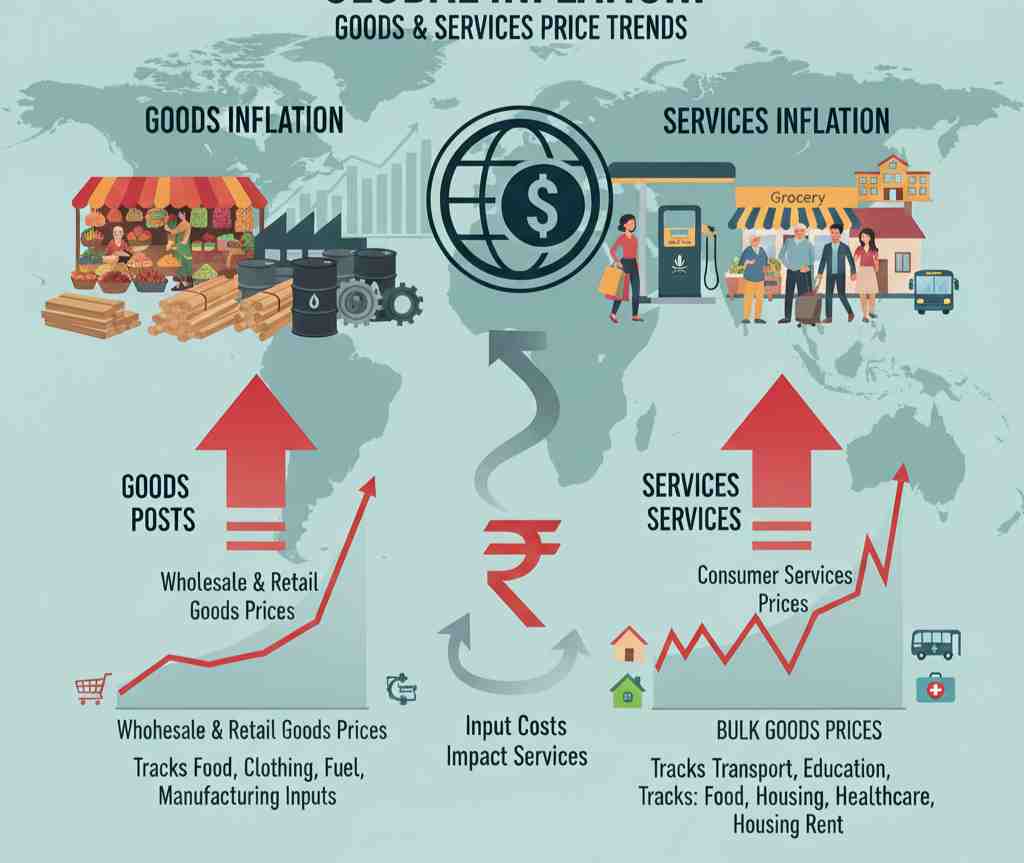
The Central statistical office (CSO) calculates and publishes the data related to the inflation, The CSO calculates the Consumer price index (CPI). As a consumer, we should be aware about the CPI as it shows the retail level inflation in an economy.
The other inflation type, which is wholesale price index (WPI). The Office of the Economic Adviser calculates the WPI, which is under the Ministry of Commerce and Industry.
Please read our previous post about the inflation and its basics.
RBI uses the CPI data to take decisions regarding the monetary policy. The CSO comes under the ministry of statistics and program implementation.
- The inflation is the increase in the price of goods and services. The inflation is expressed in percentage.
- e.g. The price of a bike is Rs.100000 today. The same bike worths Rs.107000 next year, that means the rate of inflation is at 7% for that year.
The WPI and The CPI
CPI– Consumer Price Index
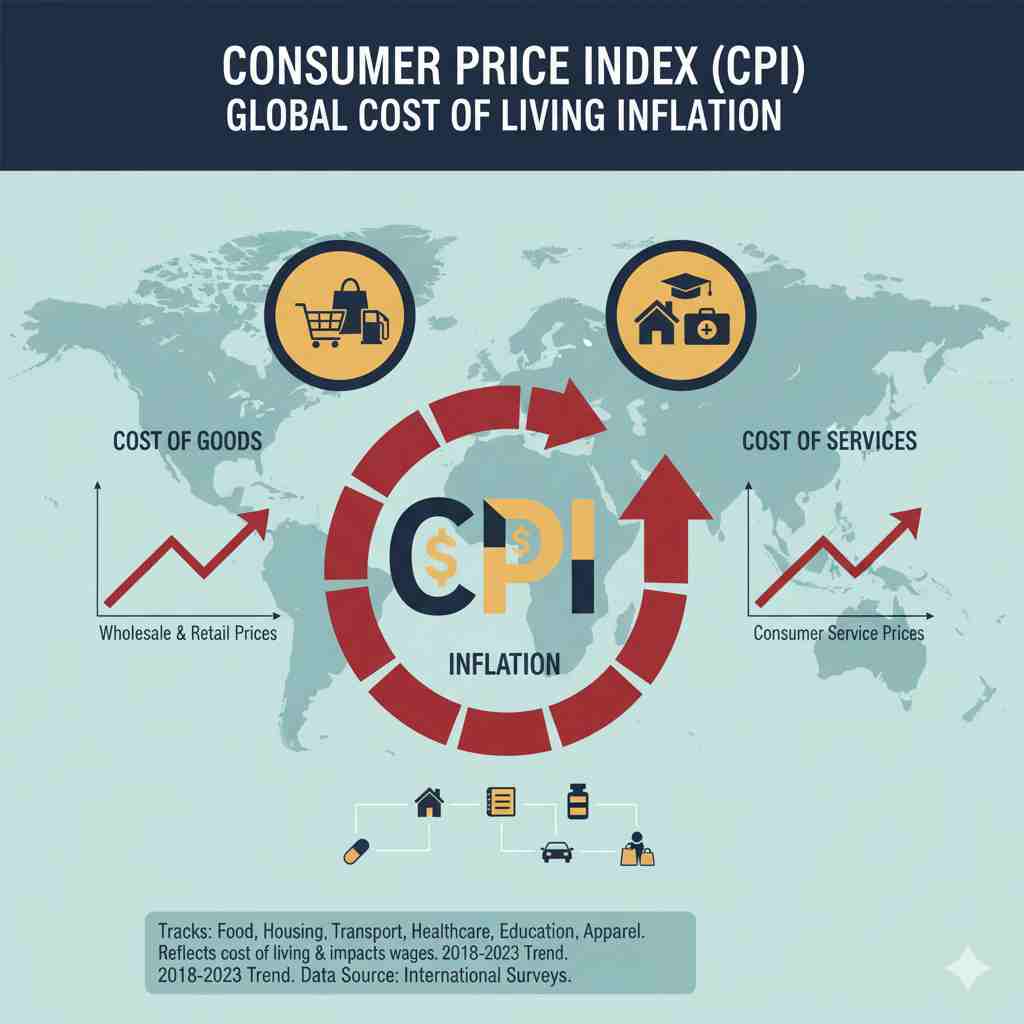
The Consumer Price Index (CPI) is the Headline inflation. As the name suggests, the CPI always remains in the news headlines. The CPI measures the rate of inflation for the ‘goods and services’ consumed by the households in an economy. It reflects the cost of living in a country.
The CPI shows the total inflation in an economy. The Central Statistical Office publishes the data related to the headline inflation. The inflation related data holds the key for the development of the policies of the RBI and the government itself.
CPI takes into account the overall changes in the prices of goods at retail level. It also takes into account the changes in the prices of the services like education, transport, health, insurance, banking, etc.
Consumer price index has more weightage to food items and services. Here, we consumers are the primary users.
WPI – Wholesale Price Index
The Wholesale Price Index (WPI) measures the rate of inflation for the goods only. The WPI measures the inflation data at the wholesaler’s or business level and not at the retail level. So, as a consumer, we do not find this WPI as important as CPI. The wholesalers and businesses are the primary users in this case.
WPI targets only goods like fuel, power (electricity), manufactured goods, agricultural output, etc. It has nothing to do with the services. It reflects the production cost at the producer’s level, meanwhile helping to gauge the inflation at consumer level.
Here, we can see there is no weightage to the services and the higher weightage to the fuel and power.
What is the use of CPI & WPI
The CPI and the WPI are the key indicator of the inflation trend in an economy. On the basis of this data the government and the businesses take their policy decisions. The RBI (Reserve Bank of India) considers the Consumer Price Index (CPI) while deciding the RBI’s Repo rate.
RBI is responsible for regulating the inflation in India. The central bank uses its monetary policy to control/ regulate the inflation in the country.
| Inflation | RBI’s Stance/Action |
| 1. If inflation is high/increases | RBI increases the Repo rate. |
| 2. If inflation goes down/decreases beyond a limit | RBI decreases the Repo rate. |
| 3. In stable conditions | RBI keeps the Repo rate unchanged. |
The two indices are useful for us to time our investments and savings. As a smart consumer base, we should be aware of the rate of inflation in our country. These indices give us insights about the performance of the economy and the banking system.
2 thoughts on “CPI & WPI – the Inflation …”